
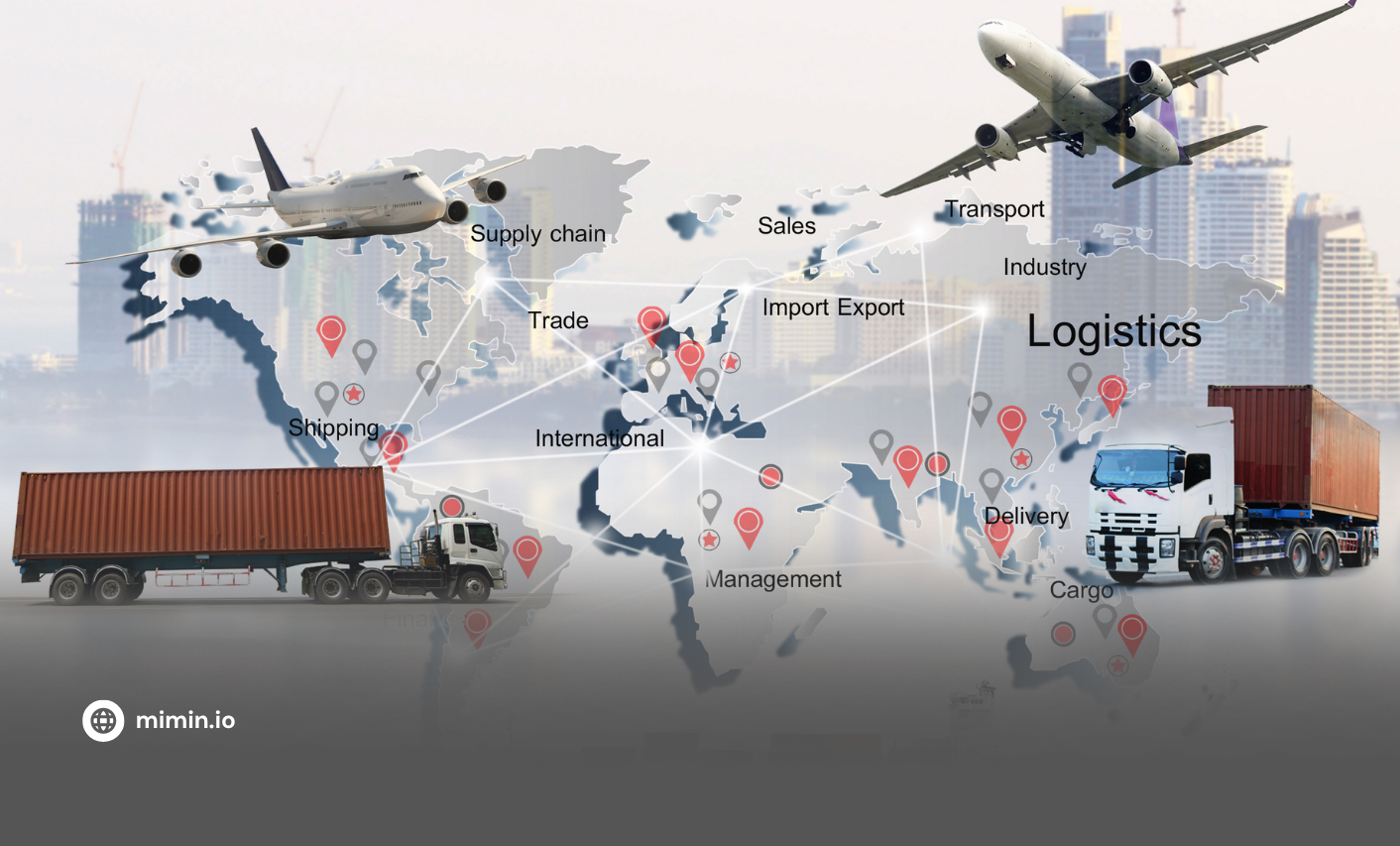
A shipment leaving the warehouse on time does not guarantee customer satisfaction.
For logistics providers, freight forwarders, and third-party logistics (3PL) companies, the real customer experience begins after dispatch. Once goods are in transit, clients expect continuous visibility, proactive communication, and fast issue resolution.
Yet many logistics businesses still manage shipment tracking, customer communication, and issue handling across disconnected systems. As a result, operational teams may know exactly where a shipment is, while clients remain completely in the dark.
This gap creates a poor automated logistics customer experience and can quickly undermine trust, even when the shipment itself is progressing as planned. In B2B logistics, clients rarely switch providers because of a single delayed shipment. They switch because they lose confidence in a provider's ability to communicate and manage disruptions effectively.
The Hidden Cost of Poor Post-Dispatch Communication
When a shipment is delayed due to weather conditions, customs inspections, port congestion, or transportation issues, clients do not simply want answers. They want visibility.
Unfortunately, many logistics companies still rely on manual workflows where shipment tracking and customer communication operate separately. The result?
- Clients repeatedly ask for shipment updates.
- Customer service teams spend valuable time chasing information.
- Operations teams are interrupted by status requests.
- Account managers become involved in issues that should have been resolved automatically.
Over time, these inefficiencies increase operational costs while reducing customer confidence.
For B2B clients managing inventory, production schedules, or retail distribution, a lack of shipment visibility can create downstream disruptions across their entire supply chain.
Three Operational Gaps That Damage Client Retention
1. Limited Shipment Visibility After Dispatch
Many logistics providers consider their responsibility fulfilled once a tracking number has been shared.
However, B2B clients require more than access to tracking information. They need timely updates when exceptions occur. Without proactive communication, even a minor transit delay can become a major client concern.
An effective automated logistics customer experience ensures clients remain informed throughout the delivery journey, reducing uncertainty and preventing unnecessary escalations.
2. Disconnected Systems Create Slow Responses
When clients request an update, they expect immediate answers.
However, if shipment data lives in one platform while customer conversations exist in another, teams must manually switch between systems to gather information.
This creates delays, increases response times, and makes the organization appear fragmented. For enterprise and corporate clients, slow communication often signals operational inefficiency.
3. Reactive Rather Than Proactive Issue Resolution
Most logistics companies respond only after a client reports a problem. By then, frustration has already built up.
Leading logistics organizations take a different approach. They proactively identify delivery exceptions, communicate updates early, and provide clear next steps before clients need to ask. This approach strengthens trust and demonstrates operational maturity.
Building an Automated Logistics Customer Experience
Improving client retention does not necessarily require expanding customer service teams. Instead, it requires connecting logistics operations and customer communication into a single workflow.
A modern automated logistics customer experience should enable businesses to:
- Track shipment progress in real time.
- Share delivery updates proactively.
- Centralize communication across multiple channels.
- Escalate critical issues to the right teams automatically.
- Maintain complete visibility across every customer interaction.
When logistics teams and customer-facing teams operate from the same source of truth, response times improve, communication becomes more consistent, and clients gain greater confidence in the service provided.
How Mimin Helps Logistics Businesses Improve Client Retention
Mimin combines Backend Management System capabilities with Omnichannel and Ticketing functionality to help logistics businesses streamline post-dispatch operations. With Mimin, organizations can:
- Centralize Delivery Operations
Monitor orders and delivery progress from a single platform integrated with logistics partners. - Proactively Update Clients
Provide shipment updates before clients need to request them, reducing inbound inquiries and increasing transparency. - Manage All Conversations in One Dashboard
View and respond to inquiries from WhatsApp, web chat, and other communication channels through a unified interface. - Resolve Critical Cases Faster
Automatically route delivery issues and complaints to the appropriate account managers or operational teams for faster resolution.
Client Retention Starts After Dispatch
Winning a shipment is only the beginning of a client relationship. Long-term B2B growth depends on how effectively logistics providers manage communication, visibility, and issue resolution after goods leave the warehouse.
As customer expectations continue to rise, logistics companies that invest in an automated logistics customer experience will be better positioned to improve client satisfaction, strengthen contract renewals, and build long-term competitive advantage.
Ready to improve your delivery operations and customer experience? Smooth out your delivery operations and start your 7-day trial with Mimin today.
ABOUT MIMIN
Mimin is a platform that helps businesses to create conversational customer journeys with Artificial Intelligence. With Mimin, businesses can effortlessly build chat journeys and establish a positive customer experience.
The applications that can be generated include, amongst others, the ease of running chat commerce, chat campaigns, customer automation, omnichannel inbox, and Agentic-AI chatbot.
With Mimin, businesses can deliver superior customer experiences, strengthen customer relationships, and build stronger customer loyalty.
Learn more about Mimin by contacting:
Mimin
PT. Admin Pintar Kita
Phone/WhatsApp: +62 856 0322 5212
Email: halo@mimin.io